
Project Logistics
Definition & Introduction
While most freight moves through predictable, standardized logistics processes, some shipments fall far outside normal parameters. These shipments may be oversized, exceptionally valuable, highly complex, cross multiple international borders, or require strict time-sensitive delivery. In such cases, standard logistics solutions are insufficient. This is where project logistics becomes essential.
Project logistics refers to the specialized planning, coordination, and execution of shipments that exceed the scope of everyday freight operations. Unlike traditional logistics, which relies on repeatable workflows, project logistics involves customized, one-off strategies designed specifically for each shipment’s unique requirements.
What Is Project Logistics?
Project logistics focuses on managing complex shipments that demand specialized handling. These may include:
- Oversized or heavy cargo
- High-value or sensitive goods
- Complex, multi-country transport routes
- Time-critical or deadline-driven deliveries
Each project is planned individually, with tailored procedures developed to ensure safe, compliant, and on-time delivery from origin to destination.
Multimodal Transportation in Project Logistics
Project logistics frequently relies on multimodal transport, combining road, rail, sea, and air freight to optimize efficiency and reliability.
Examples include:
- Industrial machinery transported by sea, then delivered inland by heavy-haul trucks
- Equipment flown to a regional hub and distributed by road to multiple project sites
- Large infrastructure components moved via rail or barge due to size and weight limitations
These customized transport strategies ensure shipments align precisely with project schedules and site readiness.
Key Components of Project Logistics
Because of its specialized nature, every element of project logistics is adapted to meet the specific needs of each shipment.
Freight Planning & Coordination
Detailed project planning is essential. Logistics teams conduct in-depth assessments, coordinate multiple partners, and synchronize timelines with delivery milestones to avoid disruptions.
Transportation Management
Transport modes are selected based on cargo size, weight, urgency, and destination. This may involve heavy-haul trucking, rail transport, barges, or air freight, often in combination.
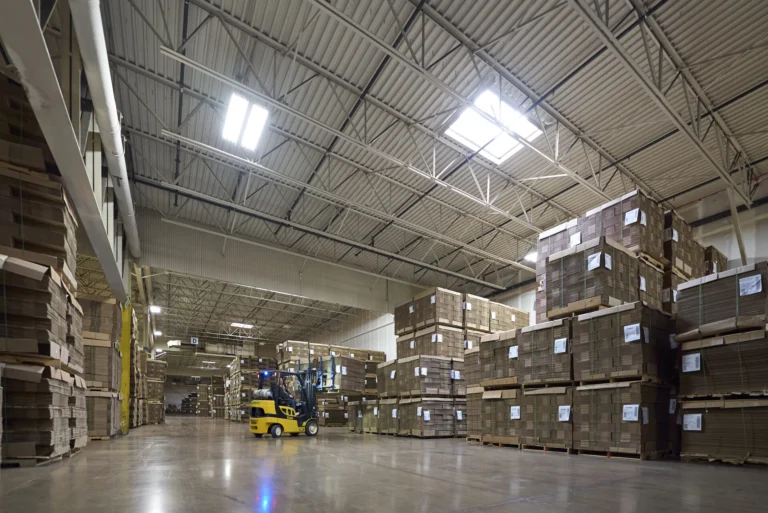
Warehousing & Temporary Storage
Temporary storage is often required to stage, consolidate, or sequence cargo. This phase may also include value-added services such as labeling, kitting, inspection, or reconfiguration.
Compliance & Permits
Project logistics frequently requires special permits, customs clearances, and adherence to industry-specific regulations. Managing cross-border documentation and regulatory compliance is a critical component.
Technology & Visibility
Advanced tracking and reporting systems provide real-time visibility through GPS monitoring, digital documentation, and performance reporting, ensuring proactive issue management.
Common Project Logistics Challenges
Project logistics introduces unique challenges that demand experienced oversight:
Oversized Cargo
Large or heavy shipments may require escort vehicles, route surveys, specialized lifting equipment, or infrastructure clearance verification.
Regulatory Complexity
Cross-border shipments are subject to varying customs rules, safety standards, and local regulations, increasing the risk of delays without proper planning.
Operational Risk
Weather disruptions, labor shortages, equipment failures, or geopolitical factors can significantly impact project timelines.
Tight Delivery Schedules
Many projects rely on just-in-time sequencing, where delays at any stage can disrupt downstream operations and increase costs.
Risk Mitigation Strategies
Effective project logistics depends on proactive risk management, including:
- Advance route and permit planning
- Contingency transport options
- Pre-cleared documentation
- Backup storage and equipment availability
- A vetted global partner network
These measures help maintain continuity even under unpredictable conditions.
Benefits of Project Logistics
When managed by experienced professionals, project logistics delivers significant advantages:
- Reliability – Complex shipments are executed with precision and control
- Scalability – Solutions adapt to one-off projects or multi-phase programs
- Operational Efficiency – Customized planning reduces delays and rework
- Cost Control – Optimized routing and mode selection reduce unnecessary expenses
- Sustainability – Strategic use of rail or sea freight lowers emissions
Industries That Rely on Project Logistics
Project logistics is widely used across industries that handle complex or oversized cargo, including:
- Construction and infrastructure
- Energy and industrial development
- Manufacturing and plant expansion
- Retail and large-scale commercial rollouts
While these sectors account for much of project logistics demand, the methodology can be applied to nearly any industry with specialized shipping requirements.
Strategic Value of Project Logistics
Project logistics provides a structured, reliable solution for shipments that cannot be handled through conventional logistics models. By accounting for complexity, risk, and precision timing, it enables businesses to execute large-scale or critical projects with confidence.
Selecting the right logistics partner and adopting a strategic approach ensures project logistics becomes a powerful enabler of operational success and long-term growth.
