
Commuter Rail vs. Freight Rail Transport
Understanding the Key Differences
When most people think of rail transportation, they picture either passenger trains carrying commuters or long freight trains moving goods across vast distances. While both commuter rail and commercial freight rail may share infrastructure in certain regions, their objectives, operations, and benefits differ significantly. Understanding these distinctions is essential for making informed transportation and logistics decisions.
Purpose and Function
The primary difference between commuter rail and freight rail lies in their purpose.
Commuter Rail
Commuter rail systems are designed to transport passengers over short to medium distances, typically connecting suburban areas with urban centers. These services operate on fixed schedules, focus on peak travel hours, and prioritize speed and punctuality to support daily commuting needs.
Freight Rail Transport
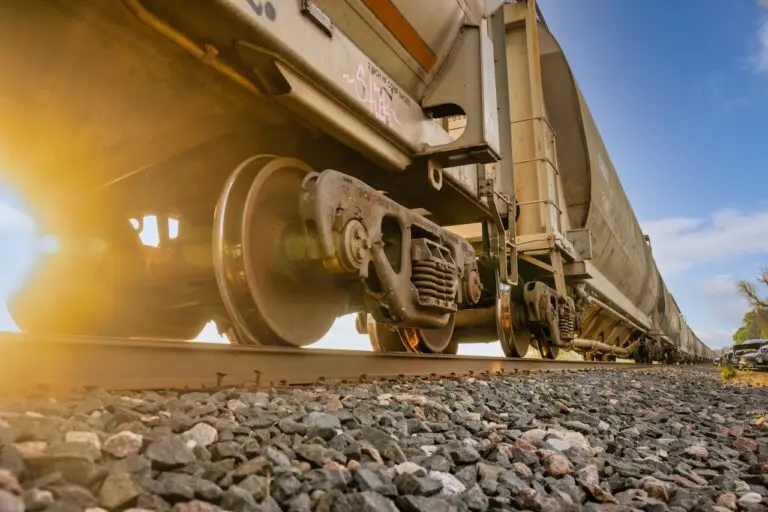
Freight rail transport is built to move large volumes of goods over long distances. It supports supply chains by transporting raw materials, industrial inputs, and finished products efficiently across regions and countries. Freight rail is a critical component of commercial logistics due to its scalability and cost efficiency.
Infrastructure and Routes
Although commuter and freight rail sometimes operate on shared tracks, their infrastructure requirements differ considerably.
Commuter Rail
Passenger rail systems rely on fixed routes with frequent stops and require passenger-focused infrastructure such as stations, platforms, signaling systems, and ticketing facilities. These networks are concentrated in densely populated areas.
Freight Rail Transport
Freight rail networks are designed for heavy loads and long distances. They often include dedicated rail corridors, rail yards, transload facilities, and industrial sidings. These networks prioritize capacity and operational flexibility over frequent stops.
Speed and Scheduling
Speed and scheduling priorities differ between passenger and freight rail operations.
Commuter Rail
Passenger trains operate on strict timetables to ensure reliable arrival times. While they make frequent stops, they are engineered to maintain higher speeds between stations.
Freight Rail Transport
Freight trains operate on more flexible schedules. They typically travel at slower speeds to accommodate heavy loads, longer train lengths, and operational requirements such as loading, unloading, and yard operations. Despite slower transit speeds, freight rail remains highly reliable for large-scale shipments.
Passengers vs. Cargo
The design of railcars reflects the fundamental difference between transporting people and transporting goods.
Commuter Rail
Passenger railcars emphasize comfort and accessibility, offering seating, climate control, restrooms, and other amenities to improve the commuting experience.
Freight Rail Transport
Freight railcars are engineered for functionality and durability. Different railcar types accommodate specific cargo, including bulk materials, liquids, oversized equipment, and containerized goods. Freight solutions are often customized based on cargo characteristics.
Environmental Impact
Both commuter and freight rail contribute positively to sustainability, though in different ways.
Commuter Rail
By reducing the number of personal vehicles on the road, commuter rail lowers traffic congestion, decreases fuel consumption, and reduces urban emissions.
Freight Rail Transport
Freight rail is among the most fuel-efficient modes of goods transportation. It produces significantly fewer greenhouse gas emissions per ton-mile compared to road transport, making it a preferred option for environmentally responsible logistics strategies.
Cost and Operational Efficiency
Rail transportation offers cost advantages for both individuals and businesses.
Commuter Rail
Passenger rail services are often publicly supported, making fares affordable and encouraging the use of mass transit for daily travel.
Freight Rail Transport
For businesses, freight rail provides substantial cost savings, particularly for bulk and long-distance shipments. Its ability to move large volumes in a single trip reduces per-unit transportation costs and minimizes exposure to fuel price volatility and road congestion.
The Strategic Role of Freight Rail in Logistics
Freight rail transport plays a vital role in modern supply chains. It supports intermodal logistics strategies, improves shipping stability, and provides a scalable alternative to road transport, especially in markets facing capacity constraints.
By integrating freight rail into logistics planning, businesses can achieve greater efficiency, sustainability, and reliability across their distribution networks.
Conclusion: Choosing the Right Rail Solution
Rail transportation remains a cornerstone of economic activity. Commuter rail supports workforce mobility and urban sustainability, while freight rail underpins industrial production, trade, and commerce.
For businesses seeking efficient, cost-effective, and environmentally responsible shipping solutions, freight rail transport offers a compelling advantage—especially when integrated into a broader, multimodal logistics strategy.
